A Deviated Septum and Nasal Strips — Can They Help?
Nasal strips won't straighten your septum, but they can noticeably improve airflow — here's what to expect.
Up to 80% of people have some degree of septal deviation. Nasal strips won't straighten your septum, but they can noticeably improve airflow. Here's what to expect.
What is a deviated septum, and how common is it?
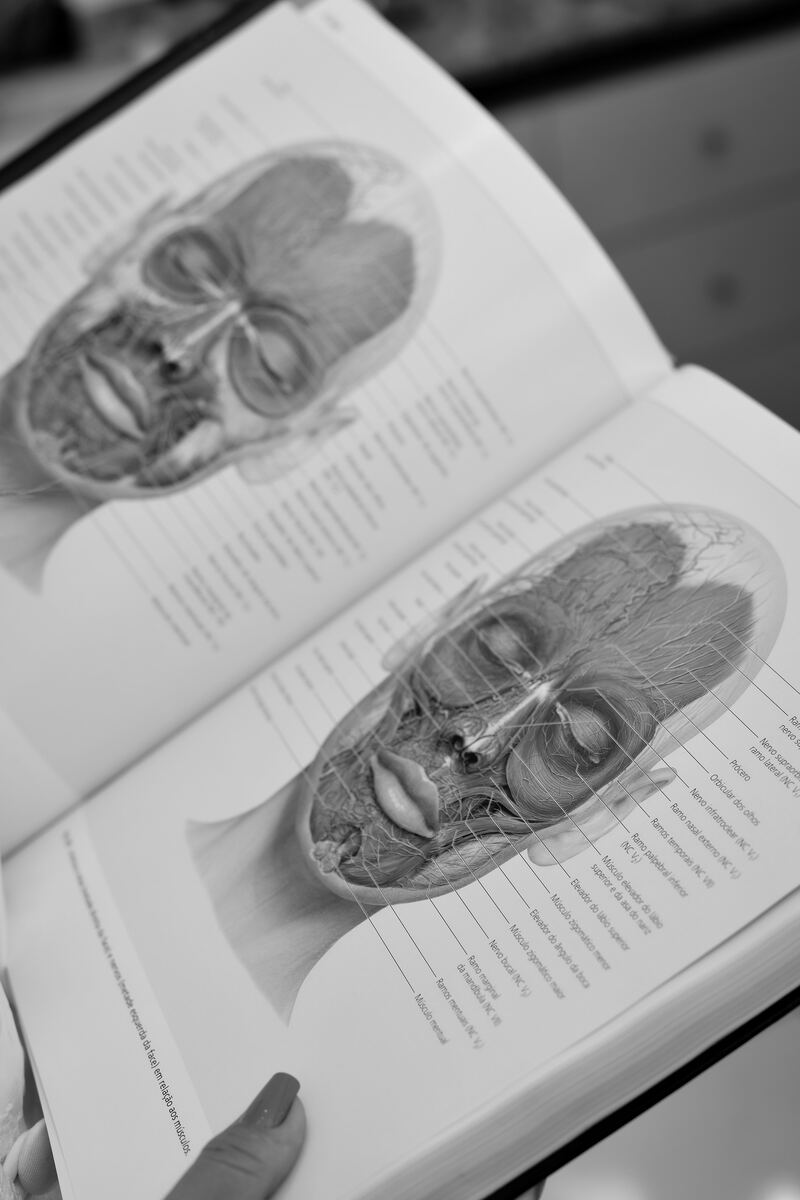
Your septum is a thin wall of bone and cartilage that splits your nose into two channels. In a perfect world it would sit dead center, giving you two even airways. In reality, that almost never happens. Studies estimate that up to 80% of people have some degree of septal deviation — most just don't know it, because it never causes noticeable symptoms. The deviation can be there from birth, develop as your face grows during puberty, or come from an injury like a broken nose — even a minor knock will do it (the nose is extremely sensitive to trauma). Severity runs the whole range, from a slight bend that never bothers anyone to a pronounced curve that blocks one side entirely and turns nose-breathing into a daily fight.
How a deviated septum affects your breathing
A crooked septum makes your nasal channels uneven. One side gets narrower and chokes off airflow, while the other side may compensate by staying more open — though over time the turbinates on the wider side can swell up, and then both channels become a problem. The practical effects are hard to ignore: chronic one-sided congestion, mouth-breathing while you sleep, snoring, recurring sinus infections, and nosebleeds. A lot of people with a deviated septum have no idea their breathing troubles aren't normal. They've lived with it so long that restricted airflow just feels like their baseline. Often it takes an unusually bad cold, or a sleep study that flags something off, before they go looking for help.
Can nasal strips make up for a deviated septum?
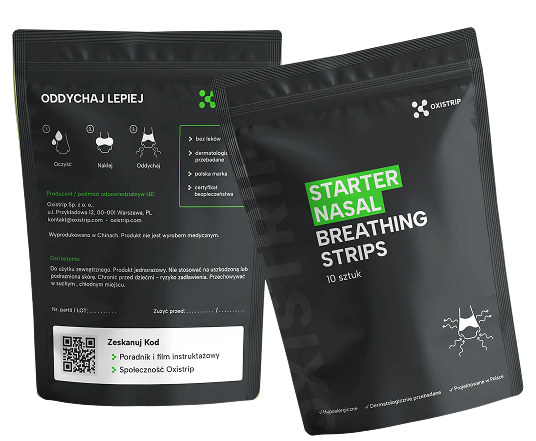
Let's be straight about it: nasal strips can't correct a deviated septum. It's an internal structural problem, and no external strip is going to reposition bone and cartilage. But that doesn't make strips useless for people with a deviated septum — quite the opposite. Nasal strips widen the nasal valve, the outer opening of each nostril. Even when the septum is crooked deeper inside, a wider outer opening can improve your total airflow enough to feel a real difference. Clinical studies on patients with mild to moderate deviation show that nasal strips boost peak airflow by 20–30%, which often translates into better sleep and less snoring. With severe deviations, where one channel is nearly or completely blocked, the improvement will be modest at best.
When to consider surgery, and when to reach for strips
Surgery — a septoplasty — is the only permanent fix for a deviated septum, but it isn't always necessary or advisable. If your deviation is mild, it's worth trying sleep hygiene and nasal strips before you go under the knife. Like any procedure, surgery carries risks: infection, bleeding, and in rare cases a perforated septum. Recovery takes one to two weeks, and the results aren't always perfect. On the other hand, if you have chronic sinusitis, sleep apnea tied to nasal obstruction, or a serious one-sided blockage that gets in the way of daily life, it's worth talking surgery over with an ENT. Plenty of patients find that wearing nasal strips in the months before a surgical consult gives them a useful reference point — if the strips bring clear relief, surgery will probably help even more. If the strips do almost nothing, that's a signal to your surgeon that the obstruction is serious enough to need intervention. We explain the mechanics of nasal breathing in more depth on our Science page.