Sleep Hygiene 2026: 7 Pillars of Better Sleep You Can Start Tonight
One in three adults doesn't sleep enough — here are the 7 pillars of sleep hygiene that actually work in 2026, including the underrated one: breathing.
One in three adults doesn't get enough sleep. In this guide we walk through the 7 pillars of sleep hygiene that actually work in 2026 — including the underrated breathing pillar. There's a free checklist waiting for you inside, too.
What is sleep hygiene, and why should you care?
Sleep hygiene is really just the set of habits and bedroom conditions that decide whether you're actually resting at night or just lying there with your eyes shut. The term has been around since the 70s, but it took off in 2026. Google searches jumped more than 800% year over year. And the hype is backed by data. A study in Sleep Health found that 76.5% of people with poor sleep hygiene reported regular insomnia or daytime sleepiness. Among people who followed even the basics, that number dropped to 18%. Most of these habits are free. Some take five minutes. None of them need a prescription or a pill.
Pillar 1: A cool bedroom — genuinely cool
Your body temperature drops by about 1°C as you fall asleep. If the room is too warm, your body can't finish that natural cooling cycle, and you toss and turn without knowing why. The research is unanimous here: the ideal bedroom temperature for sleep is 15.5-19.5°C. A 2023 study tracking 11,000 nights of sleep found that nighttime temperatures above 25°C cut sleep efficiency by 5-10%. Try to keep your bedroom at 15.5-19.5°C (I'd get a separate thermometer just for the bedroom). No air conditioning? Crack a window, run a fan, or try breathable cotton or bamboo bedding. Anna, a 34-year-old marketing manager from Kraków, told us she woke up at 3 a.m. for months. She tried supplements, meditation apps, everything. Then she bought a thermometer for 60 złoty, discovered her bedroom hit 24°C every night, and started opening the window before bed. "I feel silly that it was that simple," she said. "But I haven't woken up at 3 a.m. since."
Pillar 2: Light controls your sleep more than you think
Your brain decides when to sleep based on light. Bright means "stay awake." Dark means "wind down." That's biology, not preference. And here's the annoying part: blue light from screens suppresses melatonin for up to 90 minutes after you put the phone down. So scrolling at 11 p.m. basically tells your brain it's only 9:30. Get out into bright sunlight within 30 minutes of waking up — even 10 minutes outside makes a difference. Morning exposure to strong light (sunlight, ideally) wakes you up and lifts your mood, but it also makes falling asleep easier that night and improves sleep quality. In the evening, dim the lights at least 60 minutes before bed. If you're on a screen, turn on a blue-light filter (Night Shift on phones, Night Mode on computers, or an app like f.lux). And invest in blackout curtains or a sleep mask. Total darkness isn't optional — it's the goal.
Pillar 3: Consistency beats the perfect bedtime
You've probably heard it a hundred times: "go to bed at 10 p.m." But consistency matters more. Going to bed and waking up within the same one-hour window every day — weekends included — counts for more than hitting a specific time. A 2026 analysis of 47 million nights of sleep-tracker data found that people who kept a steady sleep-wake schedule had measurably better sleep quality than people who slept longer but at irregular hours. The consistent group also showed a potential lifespan boost of up to 4 years. Pick a wake time you can stick to 7 days a week. Count back 7.5-8 hours to set your bedtime. Set an alarm for bedtime, not just the morning. On weekends, give yourself 30 minutes of wiggle room, tops. Your body clock craves predictability more than it wants extra hours.
Pillar 4: An evening routine (and no, Netflix doesn't count)
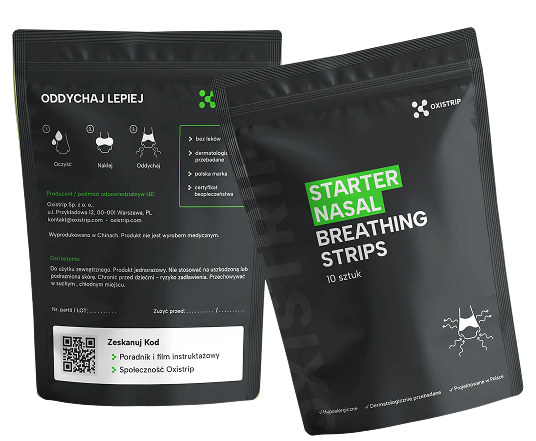
Your body won't drop from 100 to 0 in five minutes. It needs a transition. Most people skip this entirely. They watch a thriller until their eyelids give out, switch off the TV, and then lie in bed wondering why they can't sleep. Sure, the show felt relaxing. But your nervous system was revving the whole time. Build a 30-60 minute wind-down ritual that looks the same every night. It could be a warm shower or bath (the cooldown after a warm bath actually helps trigger drowsiness and deepens your sleep), some light stretching, reading a paper book, or breathing exercises. The specific activity matters less than doing it consistently. And by the way: this is a good moment to put on a nasal strip or mouth tape. After a few nights it becomes automatic, and your body starts to link it with "time to sleep."
Pillar 5: What you eat and drink (timing matters more than the specific foods)
Caffeine has a half-life of 5-6 hours. That means the coffee you drank at 2 p.m. is still half in your system at 8 p.m. For slow caffeine metabolizers (it's a genetic trait) the effect lasts even longer. Alcohol is the other big sleep wrecker. It might help you nod off faster, but it fragments your sleep architecture. Studies show alcohol cuts REM sleep — the stage responsible for memory consolidation and emotional processing — by up to 20%. Stop drinking caffeine in the early afternoon (noon if you're sensitive). Avoid heavy meals in the 3 hours before bed — your digestive system competes with sleep. Go easy on alcohol, especially within 4 hours of bedtime. And if you're hungry before bed, a light snack with complex carbs and protein (like fruit with some low-fat dairy) can actually help.
Pillar 6: Move your body — but at the right time
Exercise is one of the most scientifically proven ways to sleep better. Regular moderate physical activity shortens the time it takes to fall asleep by an average of 13 minutes and adds 18 minutes to total sleep time, according to a meta-analysis of 66 studies. But timing matters. An intense workout in the 2-3 hours before bed raises your body temperature and spikes cortisol — both of which push your bedtime back. Aim for 20-30 minutes of moderate activity most days. Morning or early-afternoon workouts are ideal for sleep benefits. If an evening session is your only option, keep it low-intensity — yoga, a walk, or light stretching. Marek, a CrossFitter from Warsaw, used to train at 8 p.m. and couldn't figure out why he wasn't asleep before midnight. When he moved his workouts to 6 a.m. (and started using Oxistrip Sport strips to breathe through his nose during training), his time to fall asleep dropped from 45 minutes to under 15. "The first two weeks of getting up early were brutal," he told us. "But now I wake up before my alarm."
Pillar 7: How you breathe (the one nobody talks about)
Most sleep-hygiene guides stop at six pillars. Temperature, light, schedule, routine, diet, movement, done. But there's a seventh, and honestly, I think it's the most underrated of the lot. How you breathe at night changes how deeply you actually sleep. Your nose filters and humidifies air before it reaches your lungs. It activates the parasympathetic nervous system — the one in charge of rest and recovery. And it kicks off nitric oxide production, which widens your blood vessels and improves oxygen delivery to your tissues by up to 18%. Mouth breathing doesn't do the same thing. It dries out your throat, triggers micro-awakenings you won't remember in the morning, makes snoring worse, and keeps your nervous system slightly switched on all night. A study in the Journal of Applied Physiology shows nasal breathing improves airflow by up to 31% compared to breathing through your mouth. A survey of nasal-strip users found that 90% reported better sleep quality after switching to nasal breathing at night. Two tools can help, both mechanical (no drugs, no chemicals): nasal strips physically widen your nasal passages with a springy band, and mouth tape holds your lips gently closed at night, which naturally redirects your breathing through your nose. Read more about why nasal breathing changes the quality of your sleep, or browse the research on our Science page.
What about supplements and sleep tech?
Melatonin, magnesium, sleep trackers, white-noise machines, weighted blankets. The sleep-product market in 2026 is huge. Some of it works. But most of it only works after you've nailed the basics. Melatonin helps with jet lag and shifting your schedule, not with chronic bad sleep. Magnesium glycinate may help you relax, though the evidence is modest. Sleep trackers are great for building awareness, but they can also create a new problem: "orthosomnia," obsessing over your sleep score so much that you can't fall asleep. It's a real thing. Start with the free stuff. Add the gadgets later, if you even need them.
Your sleep hygiene checklist for tonight
Here's what you can do today — no equipment, no shopping, no waiting: Set your bedroom to 15.5-19.5°C. Dim the lights and put the screens away 60 minutes before bed. Set a fixed alarm for bedtime. Build a 30-minute wind-down routine. Cut caffeine after noon. Take a 20-minute walk during the day. Try breathing through your nose tonight — and if that's hard, a nasal strip can help. That's it. Seven things. You don't have to do all of them tonight. Pick two or three. See how you feel in a week. Add the rest when you're ready. Sleep hygiene in 2026 isn't complicated. The only thing that's changed is that we're finally paying attention to how we breathe, not just what time we go to bed.