Nitric Oxide and Nasal Breathing — the Link to Your Health
Every breath through your nose makes nitric oxide — a molecule that widens blood vessels, kills bacteria, and helps your body take up oxygen.
Every breath through your nose makes nitric oxide — a molecule that widens blood vessels, kills bacteria, and helps your body take up oxygen. Here's why it matters more than you'd think.
What is nitric oxide, and why should you care?
Nitric oxide is a gas molecule your body makes on its own, and it has a hand in just about every system you've got. Science magazine crowned it "Molecule of the Year" back in 1992, and the researchers who worked out its role in cardiovascular signalling picked up a Nobel Prize in 1998. For all that recognition, most people have never heard of it. Put simply: nitric oxide tells your blood vessels to relax and open up, which drops your blood pressure and improves circulation. It helps your immune system kill off pathogens. It backs up the neurotransmitters in your brain. And here's the part that ties into breathing — your sinuses are one of the body's main factories for the stuff.
How nasal breathing makes nitric oxide
Your paranasal sinuses — the hollow spaces in the bones around your nose — are constantly churning out nitric oxide. When you breathe in through your nose, the air flows past those sinuses, picks up the nitric oxide, and carries it down to your lungs. Once there, NO widens the blood vessels in the lungs, which lines up blood flow better with the parts of the lung that are actually getting air. The payoff: you absorb more oxygen with every breath — one reason the benefits of nasal breathing reach far beyond sleep. Here's a fun one — humming cranks up NO production in the sinuses as much as 15-fold compared to quiet breathing, because the vibration helps shuttle gases between the sinuses and the nasal cavity. Breathe through your mouth and the air skips the sinuses entirely, and you lose that free delivery of a molecule that pharma companies spend billions trying to bottle.
What nitric oxide does for your heart and blood vessels
Your cardiovascular system leans on nitric oxide far more than most people realise. NO relaxes the smooth muscle in your artery walls, which lowers vascular resistance and brings blood pressure down. It stops platelets from clumping together, which cuts the risk of clots. It slows the buildup of arterial plaque by keeping white blood cells from sticking to vessel walls. People who breathe through their nose consistently are feeding their lungs — and therefore their bloodstream — a steady trickle of sinus-made nitric oxide. The amounts are small next to what your endothelial cells produce locally, sure, but the cumulative effect of a thousand breaths a day adds up. Some researchers think this is one reason chronic mouth breathers show higher rates of high blood pressure and cardiovascular disease, though we need more studies to nail down a direct cause-and-effect link.
What nitric oxide does for your immune system
Nitric oxide is one of your immune system's front-line weapons. Macrophages — the white blood cells that swallow and destroy pathogens — fire off bursts of NO to kill bacteria, viruses, and fungi. The nitric oxide made in your sinuses acts as a first line of defence, sterilising the air before it ever reaches your lungs. Studies have shown NO works against a broad range of respiratory pathogens, including influenza viruses, rhinoviruses, and even coronaviruses. A 2020 study found that higher nasal NO concentrations tracked with lower rates of upper respiratory infections. Mouth breathing skips this whole defence mechanism. The air heads straight to the back of your throat and down to your lungs, never passing through the nose's antimicrobial barrier. Over time, that may go some way toward explaining why habitual mouth breathers seem to get sick more often.
How to get the most nitric oxide out of your breathing habits
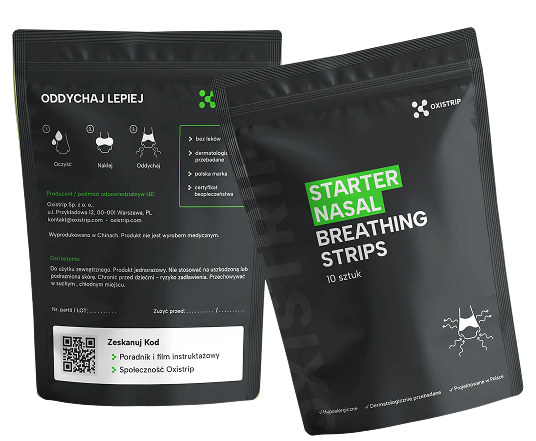
The good news is that boosting your nitric oxide dose through breathing doesn't need supplements or drugs — just some conscious habits. First and foremost, breathe through your nose as much as you can, day and night. Use nasal strips like Oxistrip if your nostrils tend to narrow or collapse while you sleep. Practise slow, deep nasal breathing for a few minutes a day: in for 4–5 seconds, out for 6–8. Try humming for five minutes a day — it dramatically ramps up NO release from your sinuses. Keep your sinuses healthy with saline rinses, stay hydrated, and treat allergies before they get out of hand. Skip the chronic use of decongestant sprays, which can damage the nasal lining and hobble NO production over time. Small tweaks, kept up consistently, add up to a noticeably higher dose of nitric oxide with every breath. We've collected more of the research behind nasal breathing on our Science page.