Nasal Strips for Allergies — Do They Actually Work?
Allergies make breathing hard, especially at night — nasal strips offer drug-free relief by physically opening your airways.

Allergies make breathing hard, especially at night. Nasal strips offer drug-free relief by physically opening your airways — but do they really help with allergy symptoms?
Why allergies stuff up your nose
When your immune system runs into an allergen — pollen, dust mites, pet dander — it kicks off an inflammatory chain reaction in your nose. Histamine floods the tissue, blood vessels widen, and the lining swells. The result is that heavy, blocked feeling that makes breathing through your nose seem impossible. Unlike a cold, where the congestion usually clears within a week, allergic swelling can hang around for months during pollen season. That constant blockage pushes a lot of people into mouth-breathing, especially at night, which only makes things worse — it dries out your throat and wrecks your sleep, the exact opposite of what nasal breathing does for sleep quality.
How nasal strips help with allergy symptoms
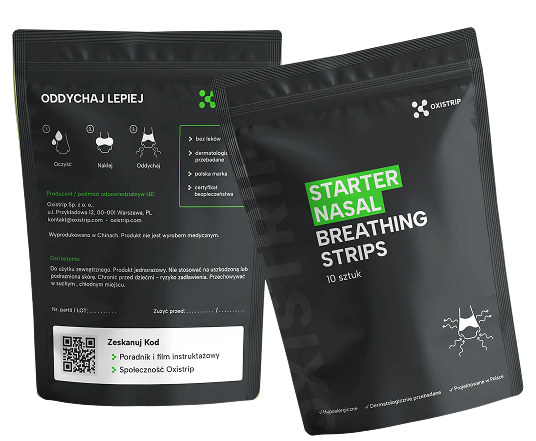
Nasal strips work on a completely different principle than allergy meds. Antihistamines and decongestant sprays go after the chemical side of allergic inflammation, while strips solve a mechanical problem. They use a springy band that physically lifts and flares your nostrils from the outside, widening the nasal valve — the narrowest point of your airway. That doesn't shrink the swelling or stop histamine from being released, but it makes more room for air even when the lining is inflamed. Think of it like adding a lane during rush hour: the traffic is still there, but more lanes means better flow. For a lot of allergy sufferers, that extra bit of openness is enough to breathe comfortably without reaching for the spray.
When nasal strips work best for allergies
Nasal strips shine at night. When you lie down, gravity works against you — blood pools in your head, the tissue in your nose swells even more, and the congestion gets worse. That's exactly when mechanically flaring your nostrils makes the biggest difference. Strips are especially effective for mild to moderate allergies, where your nose isn't fully blocked but airflow is restricted. With severe congestion — when both nostrils are completely shut — strips alone may not cut it. In those cases, pairing them with a saline rinse twenty minutes before bed can clear out enough mucus for the strips to do their job. Seasonal allergy sufferers often find strips most valuable early in the pollen season, before symptoms hit their peak.
Combining strips with other allergy tactics
The smartest approach to fighting allergies isn't picking one method — it's stacking them. Nasal strips play well with antihistamines because they tackle different mechanisms. Take an allergy pill for the inflammatory reaction, and wear a strip at night for the mechanical blockage. A saline rinse before you put the strip on clears out allergens and mucus, giving the strip a clean surface to stick to and more room to work with. Closing the windows when pollen counts are high, running a HEPA filter in the bedroom, and showering before bed to rinse pollen out of your hair and off your skin — all of it lowers the allergen load on your nose. The strips then help you handle whatever congestion is left.
What seasonal allergy sufferers say
Among allergy sufferers who've tried nasal strips, the feedback falls into a consistent pattern. Most notice an immediate improvement in nighttime breathing comfort — not a cure for their allergies, but enough relief to sleep without waking up with a dry throat and a headache. People with grass and tree pollen allergies tend to report the best results, probably because their congestion is more intermittent than it is for someone with a year-round dust mite allergy. Plenty of users mention that strips helped them cut back on decongestant sprays, which can cause chronic nasal problems with long-term use. The takeaway? Nasal strips won't replace allergy treatment, but they fill a gap the meds don't cover on their own — helping you breathe through your nose when it matters most. If you suspect a deviated septum is part of the blockage, we've covered that separately — and the research behind nasal breathing lives on our Science page.