5 Ways to Stop Snoring — What Actually Works
Snoring hits millions of people. Here are 5 science-backed methods — from nasal strips to a simple change in sleep position.
Snoring hits millions of people. Here are 5 science-backed methods — from nasal strips to a simple change in sleep position. Find out which one works for you.
Snoring — more common than you think
Snoring affects as many as 45% of adults at least occasionally, and 25% do it regularly. It's not just an annoying noise — snoring can lead to sleep apnea, chronic fatigue, trouble concentrating and a higher risk of heart disease. Partners of people who snore lose an average of an hour of sleep a night. So it's worth knowing the methods that actually help.
1. Change your sleep position
Sleeping on your back is the position most likely to make you snore. Gravity pulls your tongue and the soft tissue in your throat backward, narrowing your airway. The simple fix? Sleep on your side. You can use a side-sleeping pillow — a regular one, or a long body pillow you tuck between your legs and arms, which also takes pressure off your spine. Studies show that changing position cuts snoring in 50-60% of people with mild snoring.
2. Nasal dilator strips
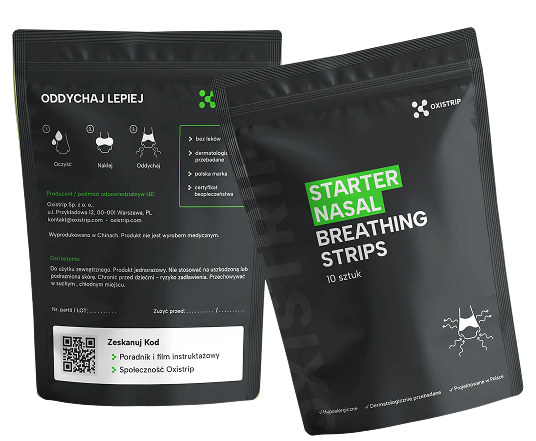
Nasal strips like Oxistrip mechanically widen your nostrils, boosting airflow through the nose by as much as 30-40%. It's one of the simplest and fastest-acting solutions out there. Strips work especially well for people who snore because of a blocked nose — allergies, a deviated septum or swollen nasal lining. You don't need a prescription, you're not putting anything inside your body, they're hypoallergenic and you can use them every night.
3. Mouth taping
Mouth taping — sticking a special tape over your lips at night — might sound weird, but there's research behind it. The tape gently keeps your mouth shut, forcing you to breathe through your nose. A 2022 study published in the Journal of Sleep Research found that mouth taping reduced the snoring index by 60% in people with mild sleep apnea. One important thing: only ever use tape made for this purpose.
4. Humidify your bedroom air
Dry air irritates the mucous membranes in your nose and throat, and that makes snoring worse. A humidifier that keeps humidity around 40-60% can noticeably improve how comfortably you breathe. This matters most in winter, when heating dries out the air. You can also use saline or a dedicated nasal rinse before bed — it moistens and clears your nasal passages.
5. Lifestyle changes
A handful of lifestyle factors have a big effect on snoring: extra weight (dropping even 5 kg can cut snoring by 50%), alcohol before bed (it relaxes your throat muscles), smoking (it inflames your airways) and sleeping pills (they can make snoring worse). Regular exercise, avoiding alcohol 3-4 hours before bed and keeping a healthy weight are the foundations of the fight against snoring.
Which method should you pick?
You'll get the best results by combining a few methods. Start with the simplest ones — Oxistrip nasal strips plus sleeping on your side. If the snoring doesn't ease up, add mouth taping and a humidifier — you'll find the strips and tape together in the Oxistrip combo pack. And remember: loud, regular snoring with pauses in breathing can point to sleep apnea — in that case, see a doctor. Looking for more methods? Try our guide to stopping snoring naturally, and find the research behind nasal breathing on our Science page.