How to Stop Snoring Naturally — 10 Methods Backed by Science
Ten proven ways to quiet snoring without surgery or medication — backed by research, not marketing.
Snoring keeps millions of people awake every night. Here are 10 proven ways to quiet it without surgery or medication — backed by research, not marketing.
Why Half the Population Snores (and Why It Matters)
Snoring isn't just an annoying noise — it's an alarm your body sets off every night. Roughly 44% of men and 28% of women snore regularly, according to the American Academy of Sleep Medicine. That's not some fluke. It means your airway is partly collapsing while you sleep, forcing air through a narrowed passage and setting the soft tissue at the back of your throat vibrating. The fallout goes well beyond an irritated partner: broken sleep, daytime drowsiness, higher blood pressure, and in serious cases, obstructive sleep apnea. The good news? Most snoring responds well to simple, non-invasive fixes.
Nasal Strips and Mouth Tape — the Quick Wins
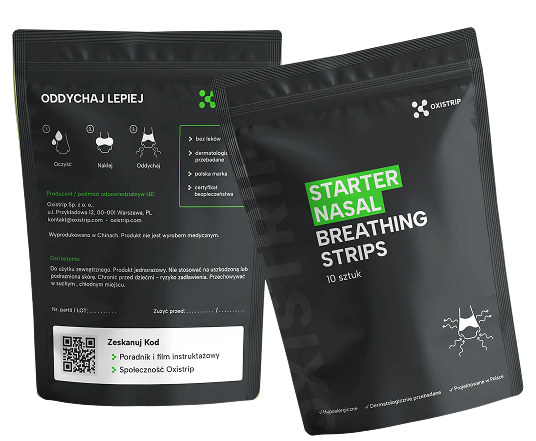
Nasal strips are the easiest thing you can try tonight. They work mechanically — they widen your nostrils and cut nasal resistance by up to 40%. If your snoring comes from a stuffy nose or a wonky septum — and for a lot of people it does — that alone can make a huge difference. Mouth tape takes it a step further, gently holding your lips together so you breathe through your nose all night. A 2022 study in the Journal of Sleep Research found that mouth taping reduced snoring intensity by 60% in mild cases. The best results come from pairing the two: an Oxistrip nasal strip plus medical-grade mouth tape — that exact duo comes together in the Oxistrip combo pack.
Sleep Position and Weight — the Structural Factors
Gravity isn't on your side when you sleep on your back. Your tongue falls backward, your soft palate sags, and your airway starts to look like a kinked garden hose. Switching to your side clears up snoring in more than half of cases — it's one of the most underrated fixes out there. A side-sleeping pillow, or a tennis ball sewn into the back of your pajamas, can train you to stop rolling over. Weight matters too. Extra fat around the neck squeezes the airway from the outside. Research shows that losing just 10% of your body weight can cut snoring severity by as much as 50%. You don't need to become a marathon runner — steady, moderate changes add up.
Your Bedroom Environment and Air Moisture
Bedroom conditions affect snoring more than most people realize. Dry air — especially common in winter with central heating running — irritates your nasal passages and thickens mucus, making it harder to breathe through your nose. A humidifier set to 40–60% relative humidity keeps your airway comfortable through the night. Keep the room cool (around 18°C) — cooler air is denser and easier to breathe. Allergens are another hidden culprit. Dust mites in your pillows and bedding trigger nasal congestion, which feeds snoring directly. Wash your pillowcases weekly in hot water, think about hypoallergenic bedding, and keep pets out of the bedroom if you have allergies.
Skip the Nightcap and Train Your Throat Muscles
Alcohol relaxes your throat muscles far more than normal sleep does. Even two drinks within four hours of bed can turn a non-snorer into someone who wakes the whole house. The effect is dose-dependent — more alcohol means louder, more frequent snoring. Stop drinking at least three hours before bed and you'll probably notice a difference within a few days. On the flip side, you can strengthen those same throat muscles with targeted exercises. A Brazilian study found that mouth-and-throat exercises — tongue twists, palate stretches, repeating vowel sounds — reduced snoring frequency by 36% and intensity by 59% after three months. Ten minutes a day is enough.
When to See a Doctor
Not all snoring is the same. If you snore loudly every night, wake up gasping, feel wiped out during the day, or your partner notices you stop breathing — it's time to see a specialist. Those are the classic signs of obstructive sleep apnea, a condition affecting about 1 in 5 adults that sharply raises the risk of heart attack, stroke, and diabetes. A sleep study (polysomnography) gives you a clear diagnosis. Natural methods like nasal strips and positional therapy still help, but sleep apnea often needs a CPAP machine or another medical intervention. Don't ignore the warning signs. For a shorter starter list, see 5 ways to stop snoring — and you'll find the research behind nasal breathing on our Science page.