How Andrew Huberman Changed the Mouth Taping Trend
A Stanford neuroscientist put mouth taping in front of millions — here's what he actually said and the research behind it.
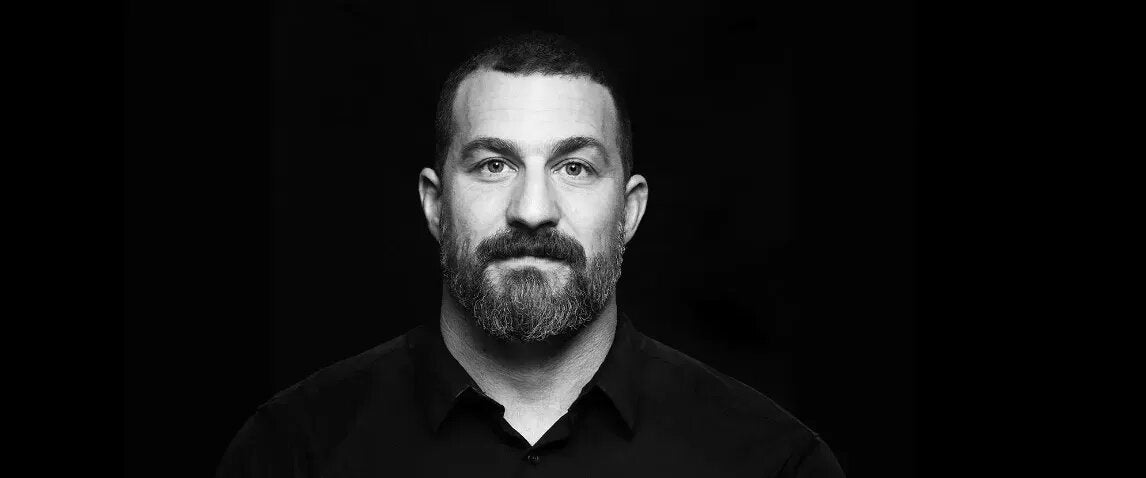
Stanford neuroscientist Andrew Huberman brought mouth taping to millions of listeners. Here's what he actually said, the research behind it, and what it means for your sleep.
Who Is Andrew Huberman and Why People Listen to Him
Andrew Huberman is a neuroscientist and tenured professor at Stanford School of Medicine who hosts the Huberman Lab podcast — one of the most popular health and science shows in the world, with tens of millions of downloads a month. What sets him apart from typical wellness influencers is his background: he runs a lab researching neural regeneration and brain plasticity, and he publishes in peer-reviewed journals. When Huberman discusses a health practice, he walks through the underlying mechanisms, cites specific studies, and is generally transparent about what the science supports and where the evidence is still thin. That credibility is exactly why his comments on mouth taping carried so much weight. He wasn't selling a product — he was explaining a physiological principle, and millions of people took notice.
What He Said About Mouth Taping on His Podcast
Huberman first discussed mouth taping in detail during his episode on optimizing sleep, then came back to it across several follow-up episodes on breathing and nasal physiology. His core argument was straightforward: humans are built to breathe through their noses, and mouth breathing during sleep sets off a cascade of problems — reduced nitric oxide production, disrupted sleep architecture, dry mouth that feeds tooth decay, and increased sympathetic nervous system activation. He described mouth taping as a simple intervention to encourage nasal breathing at night, and noted that he uses it himself. He was careful to add caveats: people with severe nasal obstruction or sleep apnea should talk to a doctor first, and the tape should be a porous, medical type you can breathe through or peel off in a pinch — not industrial tape sealing your lips shut. We cover the safety of mouth taping at night in a separate article.
The Science He Referenced
Huberman grounded his recommendations in several lines of research. He cited work by George Dallam and colleagues showing that nasal-only breathing during exercise didn't reduce VO2max but improved respiratory efficiency. He pointed to studies on nitric oxide production in the paranasal sinuses, particularly the work of Jon Lundberg and Eddie Weitzberg at the Karolinska Institute, who showed that nasal breathing delivers antimicrobial and vasodilatory NO to the lungs. He discussed Patrick McKeown's research on the Bohr effect and CO2 tolerance, explaining why mouth breathers often over-breathe — blowing off too much CO2 and, paradoxically, reducing oxygen delivery to the tissues. On mouth taping specifically, he pointed to the 2022 study in the Healthcare Journal showing a 60% reduction in snoring indices among mild sleep apnea patients. He was honest that large-scale randomized controlled trials on mouth taping are still lacking.
The Explosion in Mouth Tape Sales
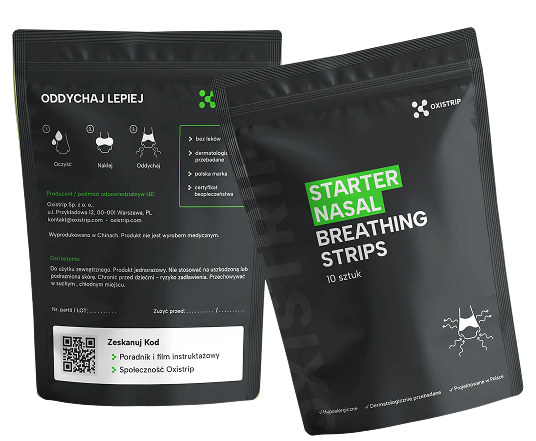
The commercial impact was staggering. Within months of Huberman's first episodes on the topic, mouth tape brands reported sales jumps of 300–500%. Companies that had been small niche players suddenly couldn't keep up with demand. The hashtag #mouthtaping racked up over 200 million views on TikTok as users shared their experiences, sleep tracker data, and morning-after selfies. Amazon searches for "mouth tape for sleeping" rose by more than 400%. The trend also drove interest in adjacent products — nasal strips like Oxistrip saw a parallel surge once people realized that taping your mouth works best when your nose can actually handle the airflow. Some dentists started recommending mouth taping to patients with chronic dry mouth, and sleep clinics added it as a talking point in patient consultations. What had been a fringe biohacking practice became a mainstream wellness habit almost overnight.
Practical Takeaways for Beginners
Curious about trying mouth taping after hearing Huberman's take? Here's how to start sensibly. First, make sure you can breathe through your nose comfortably while awake. If you can't, deal with that first — allergies, a deviated septum, or chronic congestion all need attention before you tape your mouth shut at night. Use purpose-made mouth tape or hypoallergenic medical tape — never duct tape or anything that creates a tight seal. Start with a small strip across the center of your lips instead of covering the whole mouth. Try it during a daytime nap first to get used to the feeling. Pair it with nasal strips like Oxistrip so your nose is fully open. Track your sleep quality with a wearable if you use one — most people notice better deep sleep within the first week. And if you feel anxious or claustrophobic, take the tape off. The goal is better breathing, not restricted breathing. You'll find the research Huberman cites on our Science page, too.